
Executive Chauffeur Services Engineered for CEOs Who Value Every Minute
Most executive transportation clients discover the service isn’t about luxury—it’s about reclaiming hours that would otherwise vanish into traffic and logistics. A dedicated chauffeur and vehicle are arranged to match your exact schedule, turning every journey into private, productive time where calls, briefings, or quiet rest happen seamlessly. This means you arrive calm, prepared, and on time, with the entire experience tailored around your comfort and priorities. To use it, simply book your trip, share your preferences for temperature, refreshments, or route, and let the personalized door-to-door orchestration handle everything else.
What Exactly Sets Executive Car Service Apart from a Standard Ride?
Executive transportation is defined by anticipation, not just arrival. Unlike a standard ride that simply gets you from point A to B, an executive car service orchestrates the entire journey around your productivity and comfort. The vehicle itself is a mobile office, equipped with amenities like bottled water, chargers, and a silent, climate-controlled cabin that standard rides lack. Crucially, your driver is a professionally trained chauffeur, not just a navigator; they manage your schedule, handle luggage discreetly, and choose optimal routes with zero need for GPS prompts. The experience is proactive rather than reactive, meaning your itinerary is managed before you even ask. This shifts the value from mere transport to a seamless extension of your workday. Time becomes an asset, not a liability. *The real distinction, however, is the quiet confidence of knowing every detail has been handled, allowing you to focus entirely on what matters next.
Defining the Premium Difference in Vehicles, Uniforms, and Protocol
The premium difference begins with the hardware: executive fleets use top-tier sedans and SUVs with extended legroom, silent cabins, and climate-controlled seating, whereas standard rides prioritize basic transit over comfort. Uniforms are the second divider—chauffeurs wear tailored suits, not casual polos, signaling that your time carries weight. Protocol is the invisible third layer: drivers open doors, adjust temperature before you enter, and maintain discretion without small talk unless invited. This triad creates a **seamless executive transportation experience** where every detail is choreographed.
Q: How does protocol differ from standard ride etiquette?
A: Protocol means pre-planned routes, silent professionalism, and anticipating needs—like having water ready—while standard rides merely follow GPS and drop you off.

Why Chauffeur Training Goes Beyond Just Driving Skills
Chauffeur training transforms a driver into a professional who anticipates needs before they are spoken. It goes beyond vehicle control, focusing on proactive service intuition—knowing when to offer a quiet cabin versus engaging conversation, or adjusting climate controls without being asked. Extensive route planning, secure handling of luggage, and mastering discreet, punctual arrivals are drilled into muscle memory. This education also covers protocol, such as opening doors correctly and maintaining impeccable presentation, ensuring every interaction reflects the client’s status. Unlike a standard ride, a trained chauffeur reads body language and adapts seamlessly, turning a simple transfer into a flawless journey.
True chauffeur training cultivates anticipation and discretion, ensuring every detail is managed so the passenger experiences only seamless, uninterrupted luxury.
How to Book a First-Class Chauffeur for a Business Trip or Special Event
To secure a first-class chauffeur for executive transportation, begin by defining the exact itinerary—flight times, meeting locations, and desired vehicle class—before contacting a reputable provider. Book directly with a firm specializing in corporate ground travel, not a ride-hail app, to guarantee vetted drivers and on-time performance. Request a confirmed meet-and-greet service at arrivals, where the chauffeur monitors your flight and waits with a name sign. For special events, specify dress code, preferred route, and any client-facing amenities like bottled water or Wi-Fi. Lock the booking with a written confirmation that includes the driver’s contact and cancellation policy.
Always reconfirm the reservation 24 hours prior, and provide your mobile number directly to the chauffeur for seamless coordination.
Finally, prepay gratuity and parking fees to ensure a cashless, polished experience that projects professionalism from curb to boardroom.
Step-by-Step: From Initial Quote to In-Car Confirmation
Begin by submitting your trip details—date, pickup location, vehicle class, and any stops—to receive a formal, itemized quote that locks in the rate. Once you approve, a dedicated booking specialist confirms availability and assigns a specific chauffeur. You then receive a confirmation with driver name, vehicle plate, and a direct contact line. On the day, the chauffeur contacts you via SMS or call at a pre-agreed window, sharing their live arrival time. Finally, in-car, verify the trip itinerary on the dashboard tablet and confirm the final destination with the driver, ensuring the executive transportation booking process ends with zero ambiguity.
What Information You Should Always Provide to Get an Accurate Price

To secure a precise quote for executive transportation, provide complete trip details upfront. Always state the exact pickup and drop-off addresses, including building names or terminal numbers, as downtown congestion or airport fees alter pricing. Specify your preferred vehicle class (sedan, SUV, stretch limo) and the number of passengers, since larger groups require executive vans or sprinters. Include the precise date, time, and whether it’s a one-way or round-trip service—waiting time and hourly minimums apply differently. Finally, mention any stops, luggage count, or child seats, as these add mileage and labor costs. Omitting these variables leads to vague estimates or post-trip surcharges.

Understanding Flat Rates, Gratuity Policies, and Payment Methods
Understanding flat rates means knowing exactly what your trip costs upfront—no meter surprises, just a set price for the route or hourly window. Before booking, ask if the flat rate includes tolls, waiting time, or airport fees, since these can sneak onto the final bill. Gratuity policies vary by company: some include a tip in the flat rate, while others expect 15–20% cash or card at the end, so clarify this when reserving. For payment methods, most executive services take corporate cards, Amex, or direct invoicing, but confirm if a deposit is due now. *It’s always worth asking whether the gratuity is split among chauffeurs if you have multiple stops.*
- Confirm what the flat rate covers in writing.
- Ask if gratuity is pre-included or added later.
- Choose a payment method that matches your company’s billing cycle.
Getting these three details locked in before the ride keeps your executive transportation billing smooth and stress-free.
Key Features to Look For in a Top-Tier Sedan or SUV Fleet
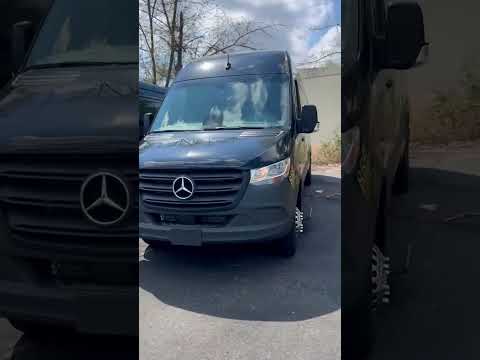
For executive transportation, a top-tier fleet hinges on rear-seat comfort—look for extended legroom, reclining captains’ chairs, and climate control zones that let passengers set their own temperature. Ride quality matters more than horsepower; prioritize air suspension and sound-deadening materials to keep cabin noise minimal. Check for privacy features like manual sunshades or electrochromatic glass, plus advanced connectivity—stable Wi-Fi, multiple USB-C ports, and wireless charging. Don’t overlook luggage capacity for airport runs; a sedan needs a trunk that fits two large cases, while an SUV should offer power-folding third rows. Finally, ensure driver professionalism is backed by vehicles with telematics for route optimization; a discreet partition or divider is a non-negotiable for confidential conversations. Every feature should simplify the passenger’s day, not complicate it.
Interior Amenities That Matter: Wi-Fi, Charging Ports, and Refreshments
A top-tier executive fleet distinguishes itself through seamless connectivity and curated comfort. Reliable, high-speed Wi-Fi transforms travel time into productive hours, allowing you to join virtual meetings or review documents without lag. Universal charging ports—including USB-C and wireless pads—must be within arm’s reach of every seat, ensuring your devices never die mid-journey. Refreshments should go beyond bottled water: think single-origin coffee, premium teas, and light, mess-free snacks presented on request. To maximize your experience, first verify the Wi-Fi password is pre-programmed, then confirm charger locations, and finally specify your beverage preferences before departure. These details separate a basic ride from an executive sanctuary.
Choosing Between a Luxury SUV, Executive Sedan, or Sprinter for Group Size
Selecting the right vehicle hinges on passenger count and luggage volume, not status alone. For one to three travelers with minimal carry-ons, an executive sedan offers discreet efficiency and curb-side agility, ideal for airport hops or solo negotiations. A luxury SUV becomes necessary for three to five passengers, especially when suitcases expand or the itinerary includes rougher terrain, providing elevated seating and cargo flexibility without sacrificing boardroom polish. When the group reaches five to seven individuals—or requires stand-up movement, conference seating, or extended legroom—a Sprinter van with configured lounge seating is the logical choice, as it transforms travel time into private meeting space. Match the vehicle to the maximum headcount first; then refine by luggage width and the need for in-transit collaboration.
Vehicle Condition Standards You Should Expect Upon Arrival

When your sedan or SUV pulls up, the executive fleet vehicle condition standards should be obvious before you even open the door. Expect a spotless exterior—no water spots, smudges, or dirt on the wheels. Inside, the cabin should smell fresh, not like air freshener masking something. Leather seats should be clean, unripped, and free of sticky residue. Check the floor mats—they should be vacuumed, not just shaken. The windows should be streak-free, and you shouldn’t see any cracked Airport transportation trim or loose panels. Climate control should work instantly, and the ride should feel smooth, without odd vibrations or squeaks. A top-tier service treats these details as non-negotiable.
**Q: What’s the biggest red flag for vehicle condition upon arrival?**
A: A dirty cup holder or wrinkled seat cover. If they missed that, they likely skipped the mechanical check too.

How to Ensure Your Flight Is Monitored and Your Pickup Is Flawless
To ensure flawless executive transportation, treat flight monitoring as a proactive, real-time operation. Share your live flight number, airline, and tail ID with your chauffeur service immediately upon booking, then rely on their advanced tracking systems that sync with air traffic data to catch early arrivals, delays, or gate changes before you even land. Confirm a direct line to your driver and demand a fixed meet-and-greet point, often arrivals curb or private terminal, to bypass chaos.
Your pickup becomes seamless when the car is already idling curbside as you step through the door, not when you call for it.
Finally, send your updated arrival time the moment wheels touch down, and keep your phone on vibrate for a final text with the car’s exact color and plate—this turns a handoff into a synchronized, zero-wait luxury experience.
The Benefits of Real-Time Flight Tracking for Delays and Early Landings
Real-time flight tracking transforms executive transportation by eliminating the guesswork around arrival times. Instead of waiting at the terminal, your chauffeur knows the exact moment wheels touch down, allowing for precise vehicle positioning. If your flight arrives early, the car is already curbside, saving you precious minutes; if a delay occurs, the pickup adjusts automatically, so you never wait or, worse, rush your host. This proactive monitoring ensures you transition from cabin to car without friction, turning schedule shifts—whether early or late—into seamless, invisible logistics. Ultimately, this adaptive pickup coordination protects your itinerary and offers complete peace of mind, making every ground transfer flawlessly punctual regardless of what the skies decide.
What to Do If Your Flight Lands Late: The Standard Protocol
When your flight lands late, the standard protocol begins with the chauffeur monitoring real-time arrival data and adjusting the pickup time automatically. You should immediately power on your device and send a confirmation text with your updated gate number, but do not rush—the chauffeur has already repositioned to the designated meeting point. Next, proceed directly to baggage claim only if your luggage is essential; otherwise, head to the arrivals curb where the vehicle is staged. Crucially, **the waiting time is automatically reset** from the actual landing moment, so you incur no penalty for the delay. A final protocol step: verify the driver’s identity via the app’s two-factor code before boarding, ensuring a seamless transition despite the schedule shift.
Meeting Your Driver: Designated Waiting Areas and Signage
Forget aimless pacing at baggage claim. Your designated waiting area and signage protocol eliminates all guesswork. Before landing, your chauffeur confirms the precise zone—often a named curb, lettered pillar, or VIP lounge entrance—and sends a photo of the sign. Upon deplaning, look for a tablet or placard displaying your name or company code, not a generic logo. This visual anchor is your beacon amid airport chaos. Approach directly; your driver will assist with luggage immediately, then guide you to a discreet vehicle position, bypassing crowded terminal exits.
- Confirm the exact pick-up point via text before you land, as it can differ by terminal and airline.
- Look for a personalized nameboard, not just a car brand, to ensure it’s your driver.
- Note the nearest landmark (e.g., “Door 5, Column B”) in case your driver’s position shifts due to security.
Maximizing Your Time in the Car: Productivity, Privacy, and Comfort Tips
In executive transportation, the vehicle becomes a mobile command center, so pre-plan your connectivity by confirming onboard Wi-Fi and charging ports before departure. Convert travel time into high-value work by preparing offline files and using noise-canceling headphones, while adjusting climate and seat controls for a focused, alert state. Privacy is equally strategic: use partitioned cabins or window shades for confidential calls, and schedule sensitive discussions for the first half of the ride to ensure mental clarity. Comfort underpins productivity—request a preferred cabin temperature and hydration, and use the final ten minutes to review notes, decompress, and transition smoothly into your meeting. Your time is an asset; every minute in the car should either advance your agenda or restore your energy. A quick Q&A: *How do you handle back-to-back calls without fatigue?* Alternate between active calls and silent strategizing, using the car’s quiet isolation to draft responses rather than simply listening.
Using the Ride for Confidential Calls or Last-Minute Presentation Prep
The executive sedan transforms into a mobile war room when you leverage the ride for **confidential calls or last-minute presentation prep**. Use the privacy partition and noise-canceling cabin to rehearse your delivery aloud, refining pacing and emphasis without bystanders overhearing. Before your call, sync your device to the vehicle’s audio system to test audio clarity and mute notifications, ensuring zero interruptions. Review your slides on a tablet, jotting bullet-point tweaks with a stylus, and use the Wi-Fi hotspot to pull real-time data or update a chart. Arrive prepared, calm, and polished, having turned dead transit time into decisive competitive advantage.
Q: Is it secure to discuss sensitive deals inside a hired car?
A: Yes—request a vehicle with a solid partition and confirm the chauffeur understands your need for absolute audio discretion, then keep your voice low and use earbuds for extra privacy.
Requesting Specific Routes, Stops, and Temperature Controls in Advance
Pre-booking your executive ride isn’t just about the car—it’s about scripting every mile. By requesting specific routes in advance, you dodge traffic bottlenecks and ensure the driver takes your preferred highway or scenic bypass, turning commute time into focused work time. Lock in intermediate stops for coffee, client pickups, or dry cleaning before departure, so the itinerary flows without awkward mid-trip negotiations. Don’t forget cabin climate: preset your exact temperature and seat heat before you step in. Follow this sequence:
- Specify the route and any alternate paths via the booking portal.
- List all stops with time windows and wait durations.
- Set temperature zones for front and rear cabins, plus vent direction.
Confirm these details 24 hours prior, then adjust live via the chauffeur’s app. The result? A seamless, tailored journey where privacy and comfort are never left to chance.
Etiquette Do’s and Don’ts for Booking on Behalf of a VIP Client
When booking executive transportation for a principal, confirm vehicle class and amenities directly before confirming, never assume a standard sedan suffices. Do share the VIP’s real-time flight or meeting changes with the chauffeur immediately; don’t let the driver discover delays via public apps. Avoid texting the client mid-journey with trivial updates—reserve contact for itinerary shifts only. Do specify a discreet pickup point, such as a private exit, and forbid the driver from initiating conversation unless addressed. Silence is not rudeness but protocol, so brief the chauffeur on the client’s preference for quiet or dialogue. Always pre-arrange gratuity and parking fees to prevent awkward transactions at drop-off.
Q: Should you send the VIP the driver’s contact number without asking? No—forward it only to the client’s assistant or security lead, as unsolicited direct contact breaches privacy etiquette.